The Union Budget for FY27 gives a view of the economic stability, predictability and the long-term vision the government has for a steady and strong economy. Rather than throwing up surprises and just populist measures, the budget gives the much needed impetus on reforms, increasing investments and boosting growth. The eventual impact of the decisions would be felt by across sections of the Indian population and sectors on the economy.
Finance minister Nirmala Sitharaman‘s initial words on the ‘Kartavya’ (duties) of the government and their pin-pointed focus on accelerating and achieving sustained economic growth, fulfilling aspirations of people and build their capacity, and the emphasis on every family, community, region and sector having access to resources, amenities and opportunities for meaningful participation articulates the Centre’s people-focused governance model. These goals do not just assure economic progress, they also mean every individual, every section of the society takes not just a step forward, but multiple strides as the nation doubles down on its growth path.
Amid the volatile geopolitical scenario when several major and emerging economies are facing hiccups, this very straightforward and fundamentals-focused approach of the government has helped the Indian economy remain resilient and clock about 7% growth rate annually. It is nothing less than phenomenal.
The record capital expenditure announced for the next fiscal at ₹12.2 lakh crore was the highlight among the announcements made for infrastructure. Capex has been the focus area for the government in the past few budgets with the allocation surpassing the previous allocation every other year. It shows the determination and consistency in the policies and the roadmap. This single move would have a multiplier effect, apart from bringing in investments and growth, including creating jobs, catalyzing private sector investments and eventually boost for all other sectors.
The special emphasis on tier II and III cities was the need of the hour as they are new growth centres of our economy. Apart from opening up a whole platter of opportunities including for investment and job creation, policy focus on these cities may go a long way in decongest tier I cities, a much needed initiative. This may not only bring in a transformation and expansion of smaller cities, but also bring in some breather and infuse a new lease of life to the country’s metropolitan cities, which have so far been the flagbearer of the country’s urbanization and economic growth for decades.
The focus on tier II and tier III cities is also significant as these cities contribute about 40% to the country’s GDP. These cities are rapidly emerging as economic hubs with populations usually between 50,000 and 100,000 in tier-II and 20,000 to 50,000 in tier-III cities. Tier-II cities in fact are now driving the residential real estate demand in the country.
The announcement to set up an Infrastructure Risk Guarantee Fund aimed at providing prudently calibrated partial credit guarantees to lenders shows the government has an ear to all stakeholders and is keen to resolve vexed issues. This risk guarantee fund would boost both lender and investor confidence. We will have more of global capital also coming in for infrastructure and real estate projects backed by the confidence ushered by this fund.
Real estate sector has been among the major capital-attracting sectors, both domestic and global. The risk guarantee fund would help Indian real estate reach its potential, which is massive, with fence-sitting investors and lenders pitching in and also curbing instances of bad assets in the sector.
Another milestone of this budget which shows the farsightedness of the government is the proposal for CPSE Real Estate Investment Trusts (REIT). The whole new concept of monetizing real estate assets of central public sector enterprises in the country will unlock the untapped potential of these assets with immense value, along with catering to the growing office space demand.
The concept of City Economic Regions would prove to be another pivot for the Indian economic juggernaut. The focus on tier-II and tier-III cities and temple towns with modern infrastructure and basic amenities and project these cities as economic regions will create several new global cities in India with its traditional, ethnic and local essence very much intact.
The allocation of ₹5,000 crore per City Economic Region over five years for implementing their specific plans through a challenge mode with a reform-cum-results based financing mechanism, will help bring out the best of our cities and their representatives.
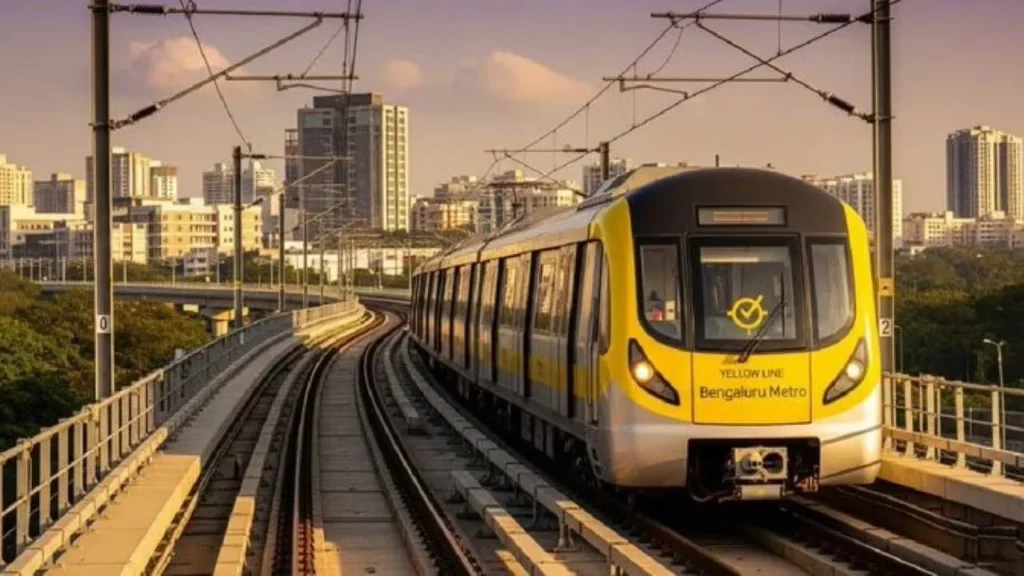
Infrastructure and economic growth would also be boosted by the announcements of new high speed rail corridors, dedicated freight corridors and the scheme to revive 200 legacy industrial clusters. This will bring in new settlements and develop ancillary infrastructure requirements.
The seven proposed High-Speed Rail corridors between cities, aptly described as “growth connectors” by the finance minister –Mumbai-Pune, Pune-Hyderabad, Hyderabad-Bengaluru, Hyderabad-Chennai, Chennai-Bengaluru, Delhi-Varanasi and Varanasi-Siliguri will give a much needed fillip to these cities and their economies.
In all, this year’s budget, after the mega relief on income tax front for the common man in the previous one, continues with measures to ensure stability, predictable economic environment and an inclusive, sustainable growth.