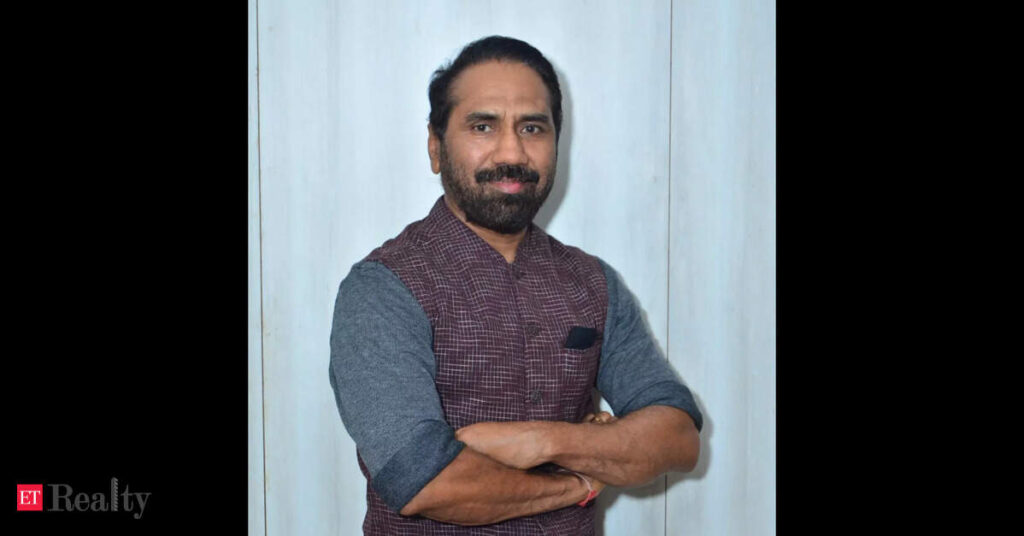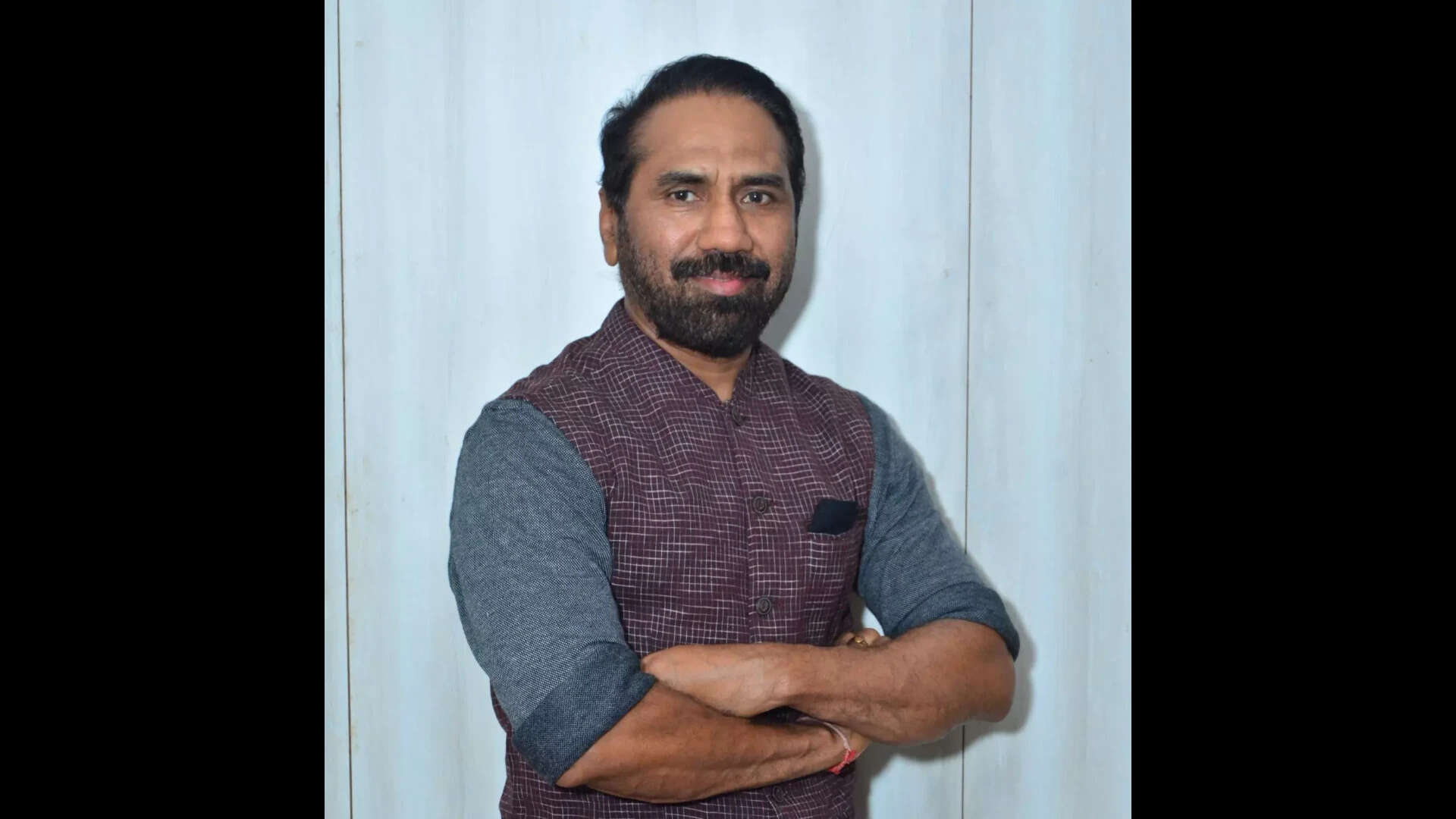
NEW DELHI: Redevelopment and brownfield projects located in prime urban areas have been key drivers of the real estate sector’s strong performance in Maharashtra over the past two years, according to Anil Wankhede, deputy chief executive officer of the Maharashtra Housing and Area Development Authority (MHADA).
In an exclusive interaction with Ankit Sharma, Wankhede said MHADA is prioritising redevelopment of ageing housing layouts across cities such as Mumbai, Pune and Nashik, while also working on policies to expand rental housing and accelerate redevelopment of old buildings. He added that the authority continues to receive strong demand for affordable homes through its housing lotteries. Edited excerpts:
How has the real estate sector performed in the past year and what is the outlook?
Over the last two years the real estate sector has performed well, largely driven by redevelopment and brownfield projects. These projects are often located in prime areas and therefore generate strong demand for housing units. As a result, the sector has seen steady growth across Maharashtra.
What are MHADA’s priorities over the next two to three years?
MHADA has a seven-decade legacy and has delivered about nine lakh housing units across Maharashtra, including around 2.5 lakh units in Mumbai.
Going forward, our focus is on redevelopment of old housing layouts. Many MHADA layouts in cities such as Mumbai, Pune and Nashik are around 40-45 years old, making redevelopment essential. We are creating an ecosystem that encourages private developers to participate in these projects while ensuring that a portion of the housing generated through redevelopment is made available as affordable housing.
Another initiative is the rental housing policy, which has been submitted to the state government for approval.
What role can rental housing play in addressing urban housing needs?
The housing market in India has traditionally been ownership-driven. However, affordability is a subjective concept that varies from city to city. In many cases, the more practical approach is to make housing accessible rather than purely affordable.
Rental housing can address this gap by providing accommodation for a wide range of users, including students, working women, senior citizens and people visiting cities temporarily for medical treatment or employment.
The policy aims to create an enabling environment so that private developers view rental housing as a viable business segment.
Private developers often hesitate to enter rental housing. How does the policy address this?
During the drafting of the policy we consulted various stakeholders, including developer associations such as NAREDCO.
One of the main challenges is that rental housing typically yields around 4–4.5% returns, compared to about 20% in conventional real estate projects. To bridge this gap, the policy proposes incentives and supportive measures to encourage developers to participate in the rental housing segment.
What major redevelopment projects is MHADA currently working on?
Apart from projects such as Kamathipura and BDD Chawls, redevelopment is being planned for several large layouts.
These include Motilal Nagar (114 acres), Adarsh Nagar in Worli, Bandra Reclamation and SV Nagar. Many of these projects are at advanced stages and will soon be tendered.
How has the response been to MHADA’s housing lotteries?
Housing lotteries in Mumbai typically receive a strong response. In the last lottery for about 3,500 homes, MHADA received around 1.5 lakh applications.
Each year we aim to offer around 4,000-5,000 homes through lotteries, and similar announcements are expected in the coming months.
MHADA reported strong financial growth recently. What drove this?
Since mid-2023 there have been several changes in the organisation’s approach. We focused on improving regulatory processes, encouraging participation from the private sector and adopting more transparent project management.
As a result, MHADA’s financial position has strengthened significantly. Around June 2023 we had about ₹150 crore, and today the figure is over ₹5,000 crore. A significant portion of this revenue has come from premiums paid by developers for redevelopment projects.
What is MHADA’s approach towards redevelopment of cess buildings?
Cess buildings in Mumbai have been a long-standing issue. Historically there were around 19,500 such buildings, but today about 13,500 remain.
Redevelopment has been slow due to issues such as tenant disputes and litigation. MHADA is now working on an exit policy and regulatory changes to accelerate redevelopment.
The aim is to ensure that the redevelopment of these buildings is completed within the next 15 years, rather than continuing with repeated repairs and maintenance.