Have you ever cleaned your mirror only to spot streaks and spots marring your reflection? It happens to the best of us. A shining mirror can revitalize any room in your house and make you feel more confident than before. Just think of beginning your day with a brilliant reflection staring back at you. With some specialized knowledge and easy-to-find products, you can achieve quality reflections in your very own home. These best tips ensure tough spots are eliminated, fog stays away, and shine is maintained for a longer period. They are your ultimate problem-solvers for guaranteed great results. Just follow these easy tips to learn how to clean a mirror spotlessly, so you begin to love your reflection daily.
Steps to Cleaning a Mirror
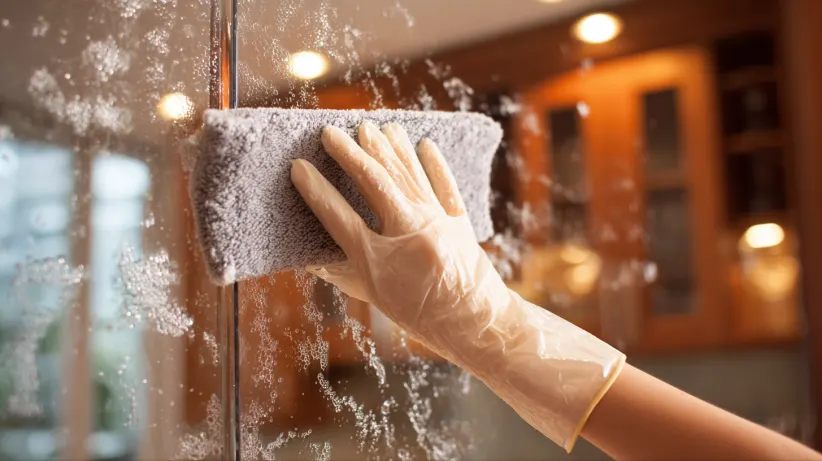
Here’s an easy-to-follow procedure to clean the mirrors in your home
- Step 1: Gather Your Cleaning Supplies Here are the essential supplies that you will need for cleaning the mirrors in your home
- Mirror cleaning liquid or a homemade solution of vinegar and water
- Soft microfiber cloth aka Mirror cleaning cloth or sponge
- Squeegee (optional, but recommended)
- Step 2: Remove Surface Dust and Debris: Wipe the mirror with a dry cloth to remove any loose dust and dirt.
- Step 3: Apply the Cleaning Solution: Spray or apply the cleaning liquid evenly across the mirror’s surface. Alternatively, dip the cloth in the solution and wring out excess liquid.
- Step 4: Wipe the Mirror: Using gentle, circular motions, wipe the mirror with a damp cloth. Pay special attention to areas with stubborn stains or marks.
- Step 5: Use a Squeegee: Draw the squeegee from the top to the bottom of the mirror to remove excess liquid.
- Step 6: Dry and Polish: Use a dry, soft cloth to dry the mirror and polish it to a sparkling finish.
- Step 7: Maintain Regular Cleaning: Regular maintenance helps prevent buildup and keeps your mirrors looking their best.
Here are the essential tools every professional cleaner needs to achieve a spotless, streak-free shine on glass and mirror surfaces:
Unbeatable Price 5-Star Rated Partner! 2200+ Shades! Top Quality Paint Free Cancellation!

Get a rental agreement with doorstep delivery

Find the BEST deals and get unbelievable DISCOUNTS directly from builders!

5-Star rated painters, premium paints and services at the BEST PRICES!
- Flat-weave microfiber cloth for glass mirrors: The flat-weave microfiber cloth is used for dust removal, moisture absorption, streak prevention, and polishing glass surfaces.
- Cleaning solutions for glass mirrors: Glass cleaners work by dissolving dirt, reducing greases, evaporating rapidly, and leaving glass mirrors clear.
- 70% Rubbing Alcohol: The 70% rubbing alcohol is effective in removing fingerprints, sanitizing surfaces, easily drying, and preventing streaks on mirrors and glass panels.
- Squeegees: Squeegees provide a smooth flow of water across glass, preventing spotting, facilitating drying, and resulting in a professional-looking streak-free finish.
- Distilled water: It protects surfaces from mineral deposits, removes water spots, enhances cleaning efficiency, and keeps mirrors clearer for a long time.
- Spray Bottles: Good-quality spray bottles help distribute the cleaner evenly, reducing waste, enhancing control, and making cleaning surfaces quite easy.
- Rubber Gloves: Protective rubber gloves protect one’s hands from chemicals, prevent irritated skin, and improve grip while cleaning mirrors.
Methods for Different Types of Stains
Mirrors can be marred by various types of stains, each requiring a specific approach for effective cleaning. Understanding the nature of the stain can help you choose the right method to clean it. Below, we explore different types of stains and how to remove stains from mirror:
1. Water Spots and Soap Scum
Remove spots from the mirror by using a mixture of vinegar and water in a 1:1 ratio. Spray the solution on the stain, let it sit for a few minutes, then wipe with a soft cloth. This method dissolves the mineral deposits and leaves the mirror sparkling clean.
2. Grease and Fingerprints
Grease and fingerprints are common stains that can be tackled with a few drops of dishwashing liquid mixed with warm water. Dip a cloth in the solution and gently rub the stain in a circular motion. The soap will cut through the grease, leaving the mirror spotless.
3. Hard Water Stains
Hard water stains require a more targeted approach. Lemon juice or a specialized hard water stain remover can be used. Apply the lemon juice or remover to the stain, allow it to sit, then scrub gently with a non-abrasive pad. This method helps break down the mineral buildup without scratching the mirror.
4. Adhesive Residue (from Stickers or Tape)
Adhesive residue from stickers or tape can be removed with rubbing alcohol or an adhesive remover. Apply the solution to a cloth and rub the stain until it dissolves. This method ensures that the adhesive is completely removed without leaving any marks.
5. Rust Stains
Confused about how to remove rust from a mirror? Rust stains can be treated with a paste made of baking soda and water. Apply the paste to the stain, let it sit for 10-15 minutes, then scrub gently with a soft brush. The baking soda acts as a mild abrasive, removing the rust without damaging the mirror’s surface.
6. Paint Splatters
Paint splatters can be cleaned using a cloth dampened with warm water for latex paint, or mineral spirits for oil-based paint. Gently rub the stain with a damp cloth or apply the mineral spirits with a soft cloth. This method helps dissolve the paint, making it easy to wipe away.
With the right approach, you can restore your mirror to its original shine, regardless of the type of stain. Whether you’re dealing with everyday smudges or more stubborn marks, these methods provide targeted solutions for a crystal-clear reflection.
7. Bathroom Fog
Bathroom Mirror fog occurs when steam condenses. Prevent buildup by wiping mirrors after showers using a squeegee or dry cloth. Apply shaving cream or anti-fog solution and buff lightly. This creates a thin protective layer that reduces future fogging and keeps mirrors clear longer.
8. Cloudy Mirrors
Cloudy mirrors usually result from residue buildup, hard water deposits, or leftover cleaning product film. To restore clarity, use a vinegar-and-water solution or rubbing alcohol. Spray lightly, wipe with a flat weave microfiber cloth, and buff dry. Regular cleaning prevents haze and maintains a bright, reflective surface.
How to Protect the Mirrors from Stains?
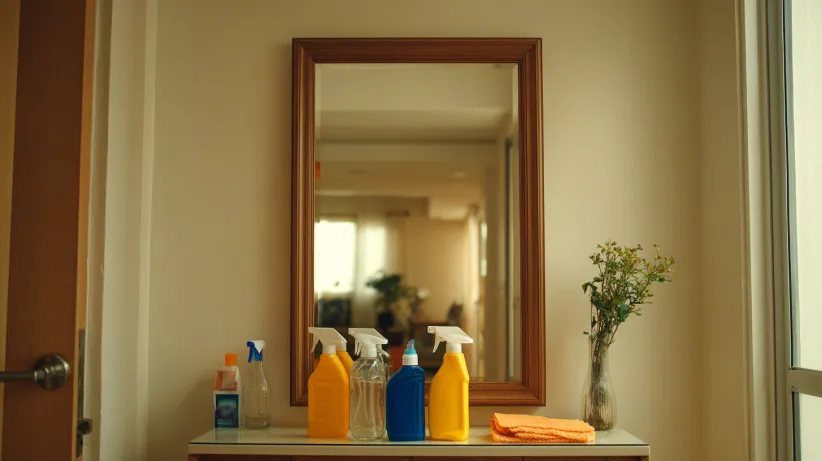
Protecting mirrors from stains not only enhances their appearance but also extends their lifespan. By taking preventive measures, you can maintain the clarity and shine of your mirrors. Here’s how to safeguard your mirrors from common stains:
1. Regular Cleaning
Regular cleaning is the first line of defence against stains. By wiping down your mirrors with a soft cloth and a gentle cleaning solution at least once a week, you can prevent the buildup of dust, grime, and water spots. This routine maintenance keeps the mirror surface clear and reduces the chance of stubborn stains forming.
2. Use of Protective Coatings
There are protective coatings available specifically designed for glass and mirror surfaces. Applying a thin layer of these coatings can create a barrier that repels water, oil, and other substances that might cause stains. These coatings are usually transparent and don’t affect the appearance of the mirror but provide an extra layer of protection.
3. Proper Installation and Positioning
The location and installation of a mirror can influence its susceptibility to stains. For example, a bathroom mirror placed far from the shower or sink is less likely to suffer from water spots. Ensuring proper installation with quality fittings also prevents issues like rusting, which can lead to stains.
4. Avoiding Harsh Chemicals
Using harsh chemicals or abrasive cleaning tools can scratch the mirror’s surface, making it more prone to staining. Always opt for gentle cleaning solutions and soft cloths or sponges. If you’re unsure about a product, test it on a small, hidden area of the mirror first.
5. Educating Household Members
Sometimes, stains occur due to mishandling or lack of awareness. Educating family members or housemates about proper mirror care can go a long way in preventing unnecessary stains. Simple guidelines like not touching the mirror with greasy hands or using appropriate cleaning products can make a significant difference.
By implementing these strategies, you can effectively protect your mirrors from various types of stains.
How Can NoBroker Help?
Cleaning and protecting mirrors is an essential part of maintaining the beauty and functionality of your home. However, you might encounter challenges in selecting the right products or applying the techniques effectively. That’s where NoBroker Home Cleaning Services can be of help.
With a reputation for excellence and attention to detail, NoBroker ensures that your mirrors are treated with the utmost care and expertise. Don’t hesitate to contact NoBroker for efficient and expedited solutions to all your mirror cleaning and protection needs.

Home Cleaning Service in Top Cities in India
Frequently Asked Questions?
A. To clean a mirror, you will need a microfiber cloth, a spray bottle, and a solution of equal parts water and vinegar, or you can use a commercial glass cleaner. Rubbing alcohol is an optional addition that can be helpful for stubborn stains. These materials are commonly available and provide an effective way to clean mirrors. The microfiber cloth ensures a streak-free finish, while the vinegar solution acts as a natural cleaner.
A. To clean a dirty mirror, mix a solution of equal parts white vinegar and water, apply it with a soft cloth, and then dry the surface with a lint-free towel for a streak-free finish.
A. To remove water stains from a mirror, mix equal parts of white vinegar and water, spray onto the mirror, and then wipe off with a soft, lint-free cloth for a streak-free finish.
A. Light a sage smudge stick and let the smoke envelop the mirror. Envision the smoke absorbing negativity and clearing the space, leaving the mirror energetically clean.
A. To remedy rust on a mirror, gently rub the affected area with a cloth dipped in white vinegar, followed by rinsing and drying. For persistent rust, apply a paste of baking soda and water, let it sit for an hour, then gently scrub and rinse.
A. Spray vinegar or glass cleaner, wipe with a microfiber cloth in S-pattern, dry edges, avoid paper towels, clean regularly to prevent streaks and buildup, and fog on the bathroom mirror.
A. Apply white vinegar or lemon juice, let sit for minutes, scrub gently with microfiber or baking soda paste, rinse, dry thoroughly to prevent spotting and etching.
A. Use a plastic scraper or razor at a shallow angle, lubricate with soapy water, wipe residue, and finish with glass cleaner, avoiding scratches, pressure, or crack damage.
A. Mix equal vinegar and water, spray the mirror, wipe with a microfiber cloth, buff dry, repeat if needed, maintain ventilation to reduce spots and mineral buildup stains.
Loved what you read? Share it with others!
NoBroker Easy Cleaning Tips Testimonials
 Author
Source link