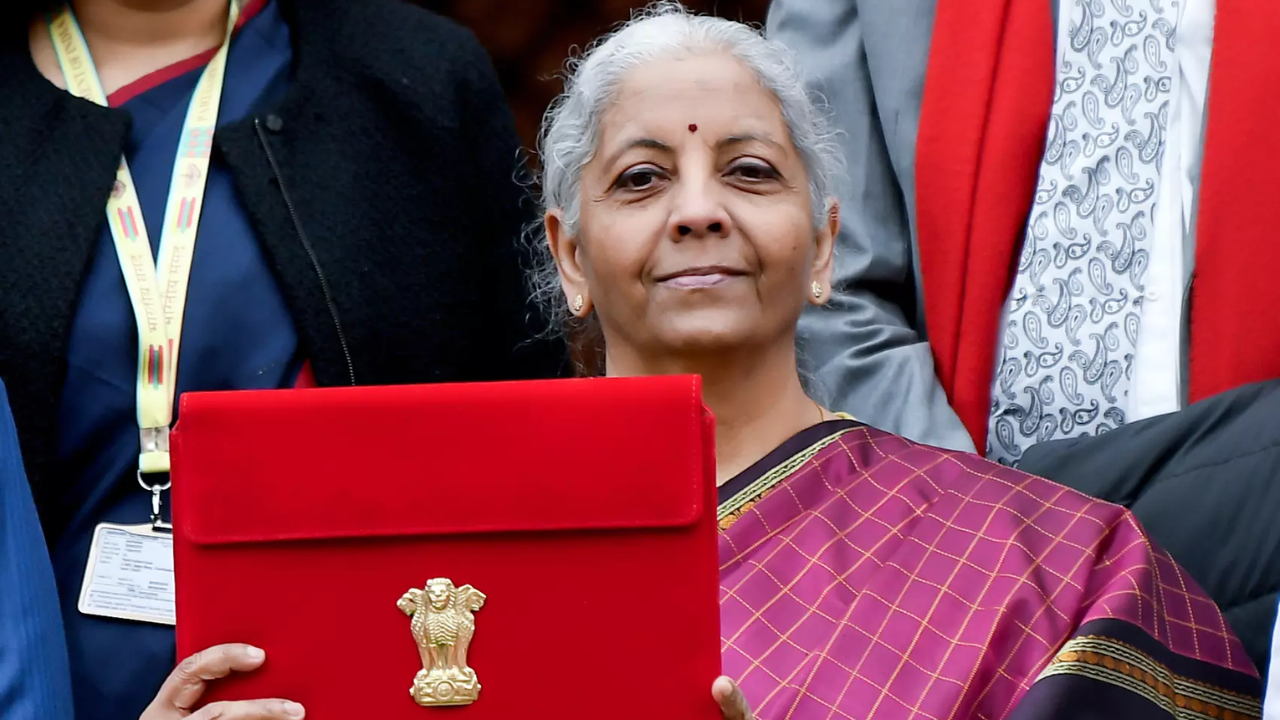
NEW DELHI: The Union Budget 2026–27, presented by finance minister Nirmala Sitharaman on February 1, announced a series of policy measures aimed at improving capital recycling, easing tax compliance and accelerating urban infrastructure development, providing multiple tailwinds for the real estate and construction sectors.
A key announcement was the government’s proposal to accelerate monetisation of central public sector enterprise (CPSE) real estate assets through dedicated Real Estate Investment Trusts (REITs). Sitharaman said REITs have emerged as a successful instrument for asset monetisation and the move would help recycle mature public assets while generating recurring revenue and unlocking capital for fresh infrastructure development.
The budget also proposed the introduction of a Scheme for Enhancement of Construction and Infrastructure Equipment (CIE) to strengthen domestic manufacturing of high-value and technologically advanced equipment. The scheme will cover a wide range of construction needs, including lifts for multi-storey residential buildings, fire-fighting equipment, and tunnel-boring machinery for metro and road infrastructure, supporting faster and more efficient project execution.
On the taxation front, the government announced income tax exemption for individuals and Hindu Undivided Families (HUFs) on income arising from compulsory acquisition of land under the Right to Fair Compensation and Transparency in Land Acquisition, Rehabilitation and Resettlement Act, 2013, excluding acquisitions under Section 46 of the Act. The move is expected to reduce tax-related disputes and provide clarity to landowners affected by public infrastructure projects.
Compliance requirements were also eased for property transactions involving non-residents. Under the proposed change, resident individuals or HUFs purchasing immovable property from non-residents will no longer be required to obtain a Tax Deduction and Collection Account Number (TAN) for deducting tax at source. Instead, such transactions can be reported using PAN, aligning them with procedures followed for resident-to-resident property transactions.
Urban development received a renewed push with the announcement of City Economic Regions (CERs), focusing on Tier II and Tier III cities as well as temple towns. The government proposed an allocation of ₹5,000 crore per CER over five years, to be deployed through a reform-linked, results-based financing mechanism. The initiative aims to strengthen infrastructure and basic amenities in emerging urban centres and harness agglomeration-led economic growth.
The budget also reaffirmed continued infrastructure development in cities with populations exceeding five lakh, many of which have evolved into key regional growth hubs.
Among other changes, the government proposed a minor amendment to the Income-tax Act, 2025, clarifying that the annual value of a property or part thereof can be treated as nil for up to two years, providing flexibility to property owners.
Niranjan Hiranandani, chairman, NAREDCO, said the budget’s focus on regional integration, infrastructure-led urbanisation and policy clarity would support sustained growth in the real estate sector and strengthen its role in India’s long-term economic expansion.